Passion Fruit , Passion Life

all about

PAPAYA

All About

”Our passion for our work is evident in the high quality of our products, which are exemplified by the smooth texture and natural sweetness of our papayas.“

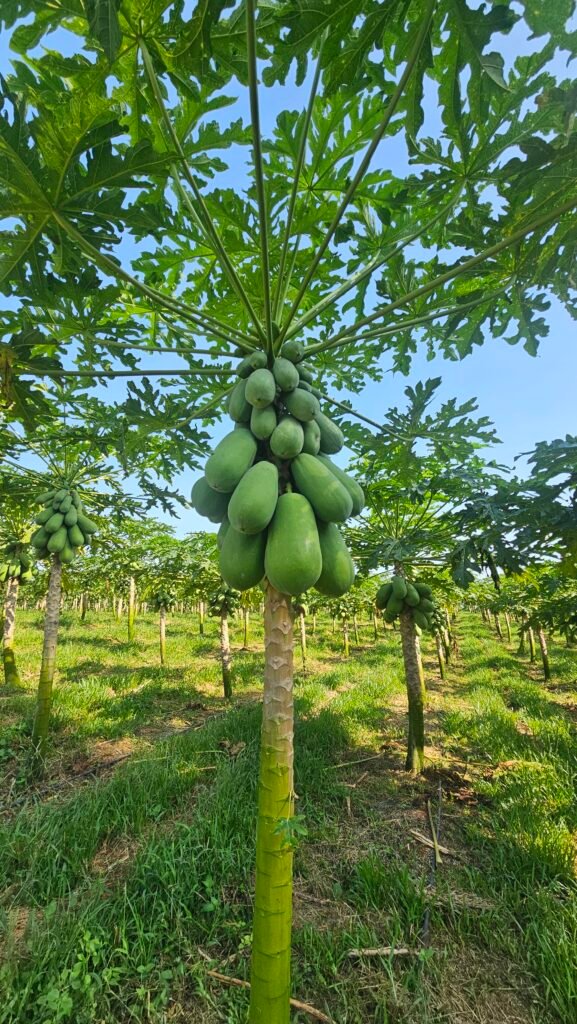
Papaya is a tropical fruit known for its delicate sweetness, vibrant orange flesh, and subtle fragrance. Unlike tangy or sour fruits, papaya has a naturally mellow flavour that is smooth, lightly floral, and pleasing to the palate. The gentle sweetness of papaya comes from its natural sugars—mainly fructose and glucose—making it a healthy and enjoyable choice for people of all ages.

In addition to its appealing taste, papaya has a soft, melt-in-the-mouth texture that makes it especially versatile in both fresh and culinary uses. It can be eaten on its own, blended into smoothies, tossed into salads, or used in desserts. Its mild yet distinct flavour complements both sweet and savoury dishes, making it a valuable ingredient in tropical cuisine.

Papaya is also widely appreciated for its nutritional value. It is rich in vitamin C, vitamin A, and powerful digestive enzymes like papain, which aid in digestion and promote gut health. This makes papaya not only delicious, but also a supportive food for those seeking a natural way to improve wellness.

Overall, the papaya’s gentle sweetness, creamy texture, and impressive health benefits make it a beloved fruit across cultures—and a proud product of our farm.

TASTE

The taste of papaya is smooth and subtly sweet, often compared to melon or mango, with a delicate aroma.

SHAPE

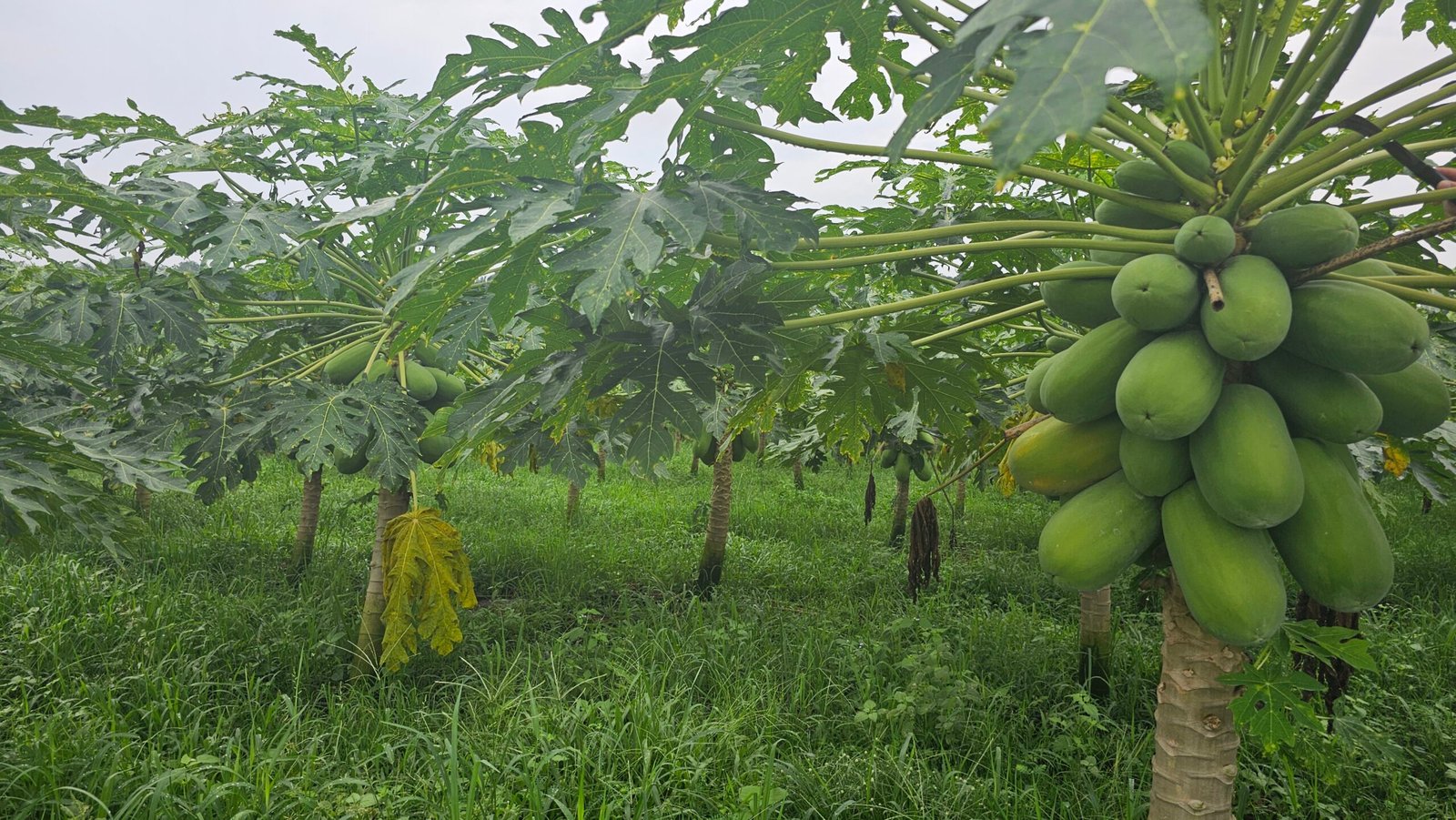
Typically oval or long in shape. The flesh is vibrant orange or reddish-orange, soft, and juicy when fully ripe.

USE

Papaya is commonly used in fresh fruit platters, smoothies, salads, desserts, and even savoury dishes like Thai papaya salad.

STORAGE

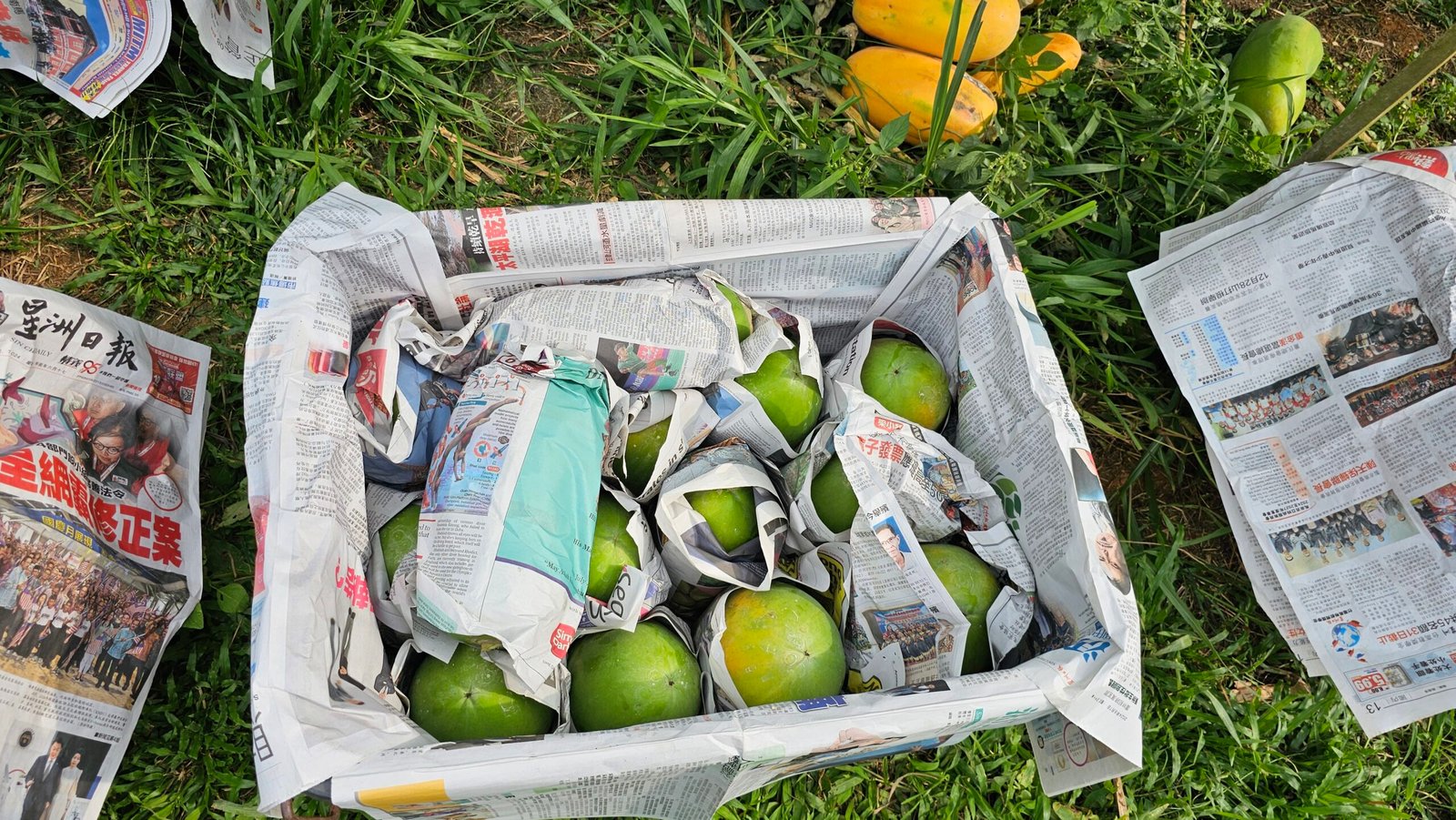
Let papayas ripen at room temperature until the skin turns yellow and yields slightly to pressure. Once ripe, store in the refrigerator and consume within a few days for best flavour and texture.

3Seed Papaya


Grade Standards

3seed papaya can be divided into 3 grades. The main criteria for grading are based on size and weight, while taking into account overall appearance, quality, and freshness factors.


Weight: 1.8kg above
Specifications:

  • Uniform, symmetrical shape with straight form

  • Smooth skin with no visible defects

  • Even skin color, bright yellow to orange when ripe

  • Free from blemishes, cracks, bruises, or stains

  • Suitable for premium markets, gift boxes, and high-end retail

Weight: 1.2kg – 1.8kg
Minor defects allowed:

  • Slight irregularities in shape

  • Minor surface blemishes (e.g., scratches or marks) not exceeding 10% of the total skin area

  • Slight variations in skin color

  • Must remain fresh, visually appealing, and of good eating quality

  • Suitable for standard retail, food service, and general sales

Weight: 1.0kg – 1.5kg (or variable)
More visible defects acceptable:

  • Noticeable deformities or curved shape

  • Obvious skin imperfections such as larger blemishes or rough surface, but still safe for consumption

  • Uneven coloring or partially underripe skin, with mature flesh inside

  • Suitable for juicing, processing, jam production, or culinary use

Why Papaya?

Ideal for Local Climate.
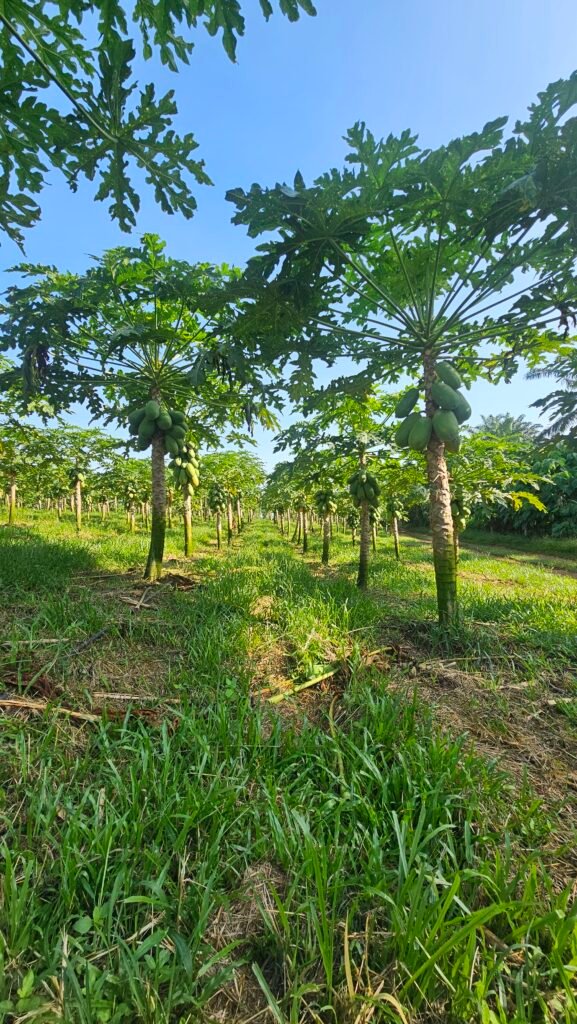
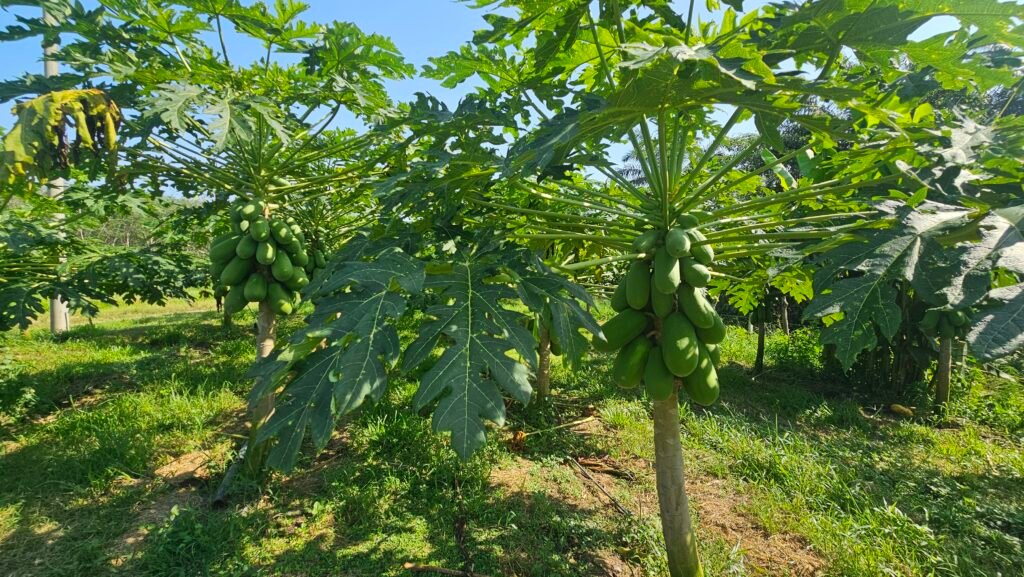
  • Papaya thrives in Malaysia’s warm, tropical environment. It grows quickly, requires relatively low maintenance, and produces fruit year-round—making it a reliable and efficient crop.

High Market Demand.
  • Papayas are well-loved across Asia for their sweet taste, soft texture, and versatility in both fresh and cooked dishes. From supermarkets to juice stalls, the demand is constant and growing.

Fast Harvest Cycle.
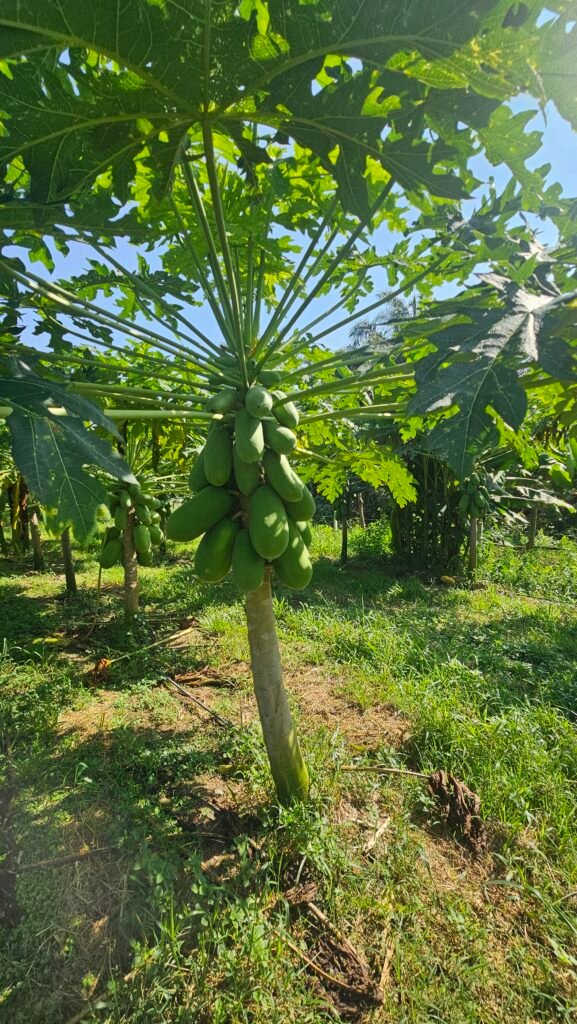
  • Compared to many fruit trees, papayas grow fast and can begin fruiting within 6 to 9 months, offering a quicker return on investment for farmers and partners.

Nutrient-Rich and Health-Friendly.
  • Papaya is rich in vitamin C, vitamin A, fiber, and natural digestive enzymes like papain. It’s a healthy fruit that supports gut health, skin, and immunity—perfect for today’s health-conscious consumers.

Sustainable and Scalable.
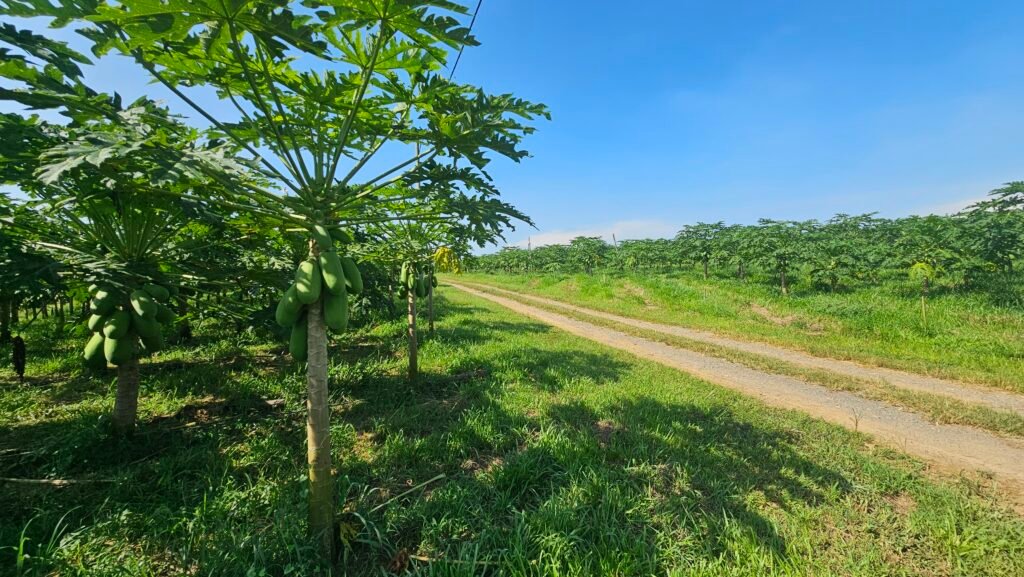
  • Our cultivation approach focuses on efficient land use, minimal waste, and long-term soil care. Papaya farming is easily scalable and aligns with our ESG (Environmental, Social, Governance) values.